
Bengali
 4
4.2

- adjective
- /bɛŋˈɡɑːli/
- But this was not the case in the culturally very different eastern wing, with its overwhelmingly Bengali-speaking population.
- Bengali language
- Bengali speakers
- Bengali songs
Examples
-
The festival of Durga Puja is celebrated joyously by many Bengali families across the world.
-
The language issue was resolved by declaring both Urdu and Bengali as national languages.
Academic text (2018) -
Every other Bengali living on the East Coast does.
-
Look, maybe it's not enough that we're both Bengali.
-
Because of the goals of the present study, we selected words that were meaningful in both Bengali and English.
Academic text (2011) -
The discussions were conducted in the local Bengali language.
Academic text (2013) -
My stomach's been bothering me since morning, and I was... invited by some Bengali students for dinner.
-
But by then Bengali poets and playwrights had turned Siraj into a tragic hero.
-
In the 1920s, psychoanalysis was much talked about among the Western-educated Bengali elite in Calcutta.
Academic text (1990) -
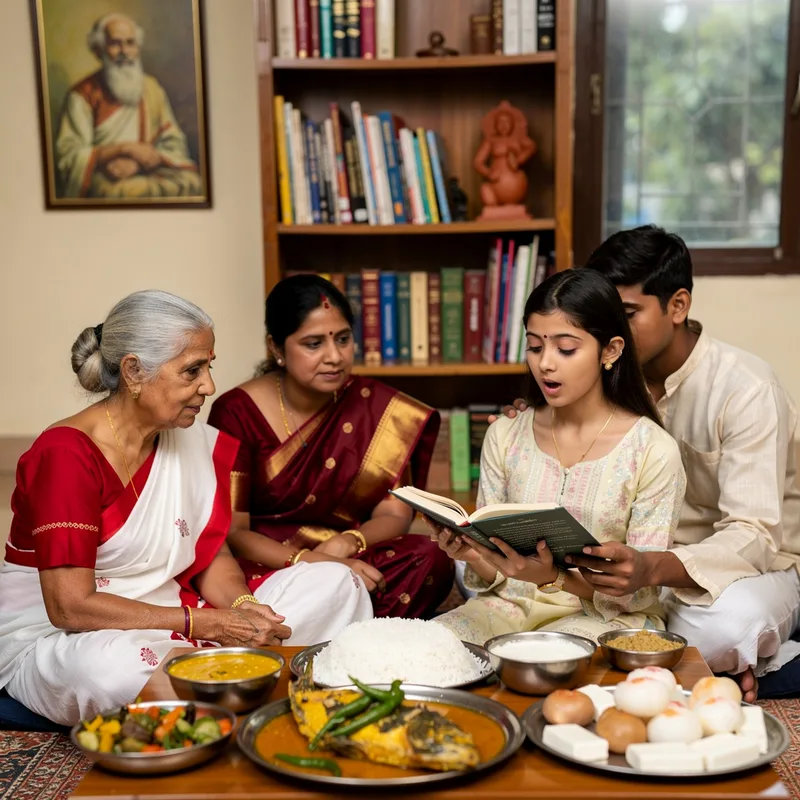
She loves to cook traditional Bengali dishes, especially during cultural festivals.
Surface Forms
Morphology
Etymology
Bengali comes from the name of the region Bengal, which people call Bangla in the local language. So Bengali means 'from Bengal' and is used for things related to Bengal's people, language, or culture.