
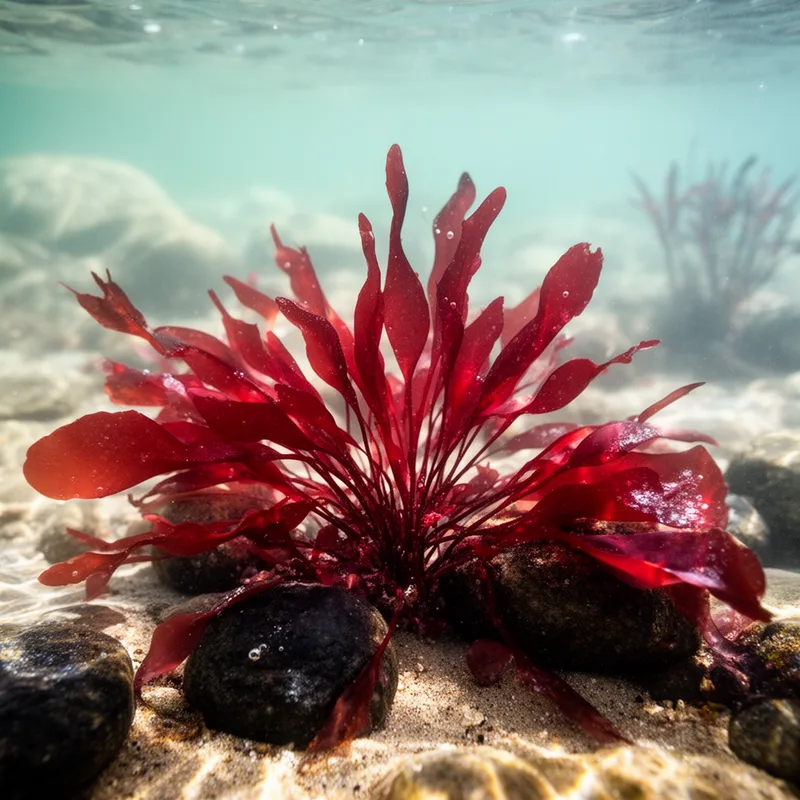
Bangiaceae
- noun
- /bænˈdʒiːəˌsiːi/
- Specialized
- The Bangiaceae family includes economically significant seaweeds used in food production.
Examples
-
Researchers identified several new species within the Bangiaceae during their marine survey.
-
Members of the Bangiaceae are commonly found in intertidal zones around the world.
-
The family Bangiaceae includes various species of red algae.
-
Many researchers study Bangiaceae for their ecological roles.
-
Members of the Bangiaceae family are commonly found in intertidal zones around the world.
-
Researchers identified several new species of red algae belonging to the Bangiaceae during their marine survey.
-
The Bangiaceae family includes various species of red algae that are significant in the marine ecosystem.
Surface Forms
Morphology
Bangiaceae = Bangia (semi-transparent) = Bangia + aceae
Formed by the genus name 'Bangia' plus the scientific family-forming suffix '-aceae'; the structure is clear if one knows taxonomic naming conventions, but the suffix is specialized and may be unfamiliar to general learners.
Etymology
Bangiaceae comes from the seaweed genus Bangia plus the plant-family ending -aceae, which means 'family' in plant names. So Bangiaceae simply means the 'Bangia family', a group of red seaweeds found in the sea.

