
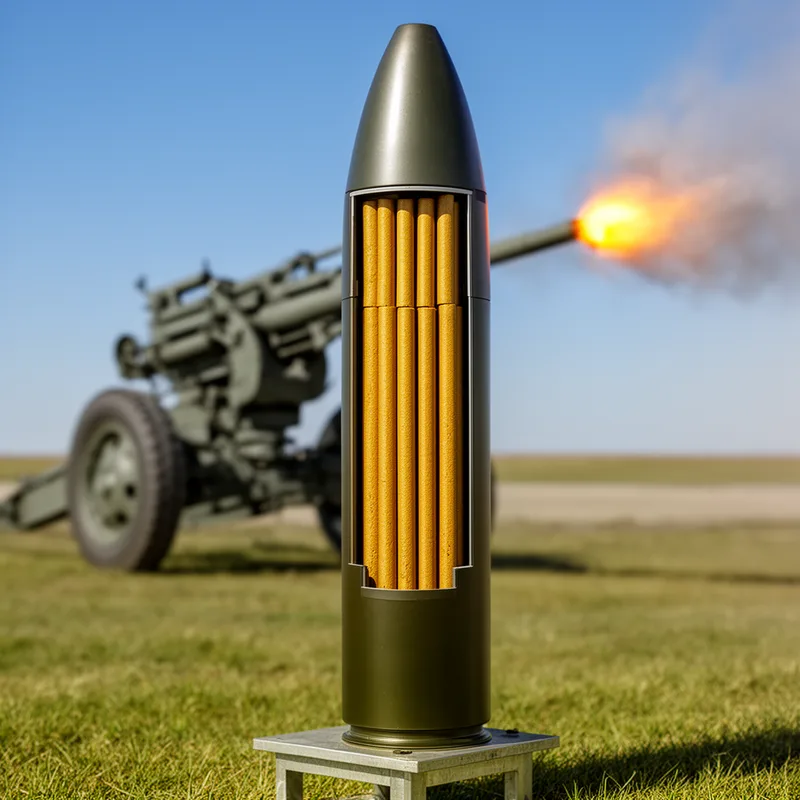
Ballistite
- noun
- /bəˈlɪstəˌtaɪt/
- Archaic
- Alfred Nobel invented Ballistite as a more stable propellant for firearms.
Examples
-
The military uses Ballistite in their artillery systems.
-
The new artillery shells were filled with Ballistite for improved range and reduced smoke.
-
Because Ballistite burns with little smoke, it offered a tactical advantage in military operations.
-
Is Ballistite safe for civilian use?
-
The soldier loaded the cannon with Ballistite, ensuring its powerful performance during the battle.
-
Scientists developed new formulations of Ballistite to improve its stability in extreme conditions.
-
During the testing phase, the team evaluated the efficiency of Ballistite as a propellant in various firearms.
Synonyms
 2
9.9
2
9.9

A smokeless explosive powder used to make guns fire


 1
5.4
1
5.4
A gun fuel that makes little smoke when it burns
Surface Forms
Morphology
Ballistite = ballistic (opaque) = ballist + ite
A technical trade name formed from the combining element related to 'ballistic' plus '-ite', but the term is specialized and not transparently predictable for general learners.
Etymology
The word Ballistite comes from the same root as ballistic, which means 'throwing' or 'firing', and the ending -ite marks it as a material or chemical. So Ballistite is easy to remember as the material that makes bullets and shells fly — a smokeless explosive propellant.