
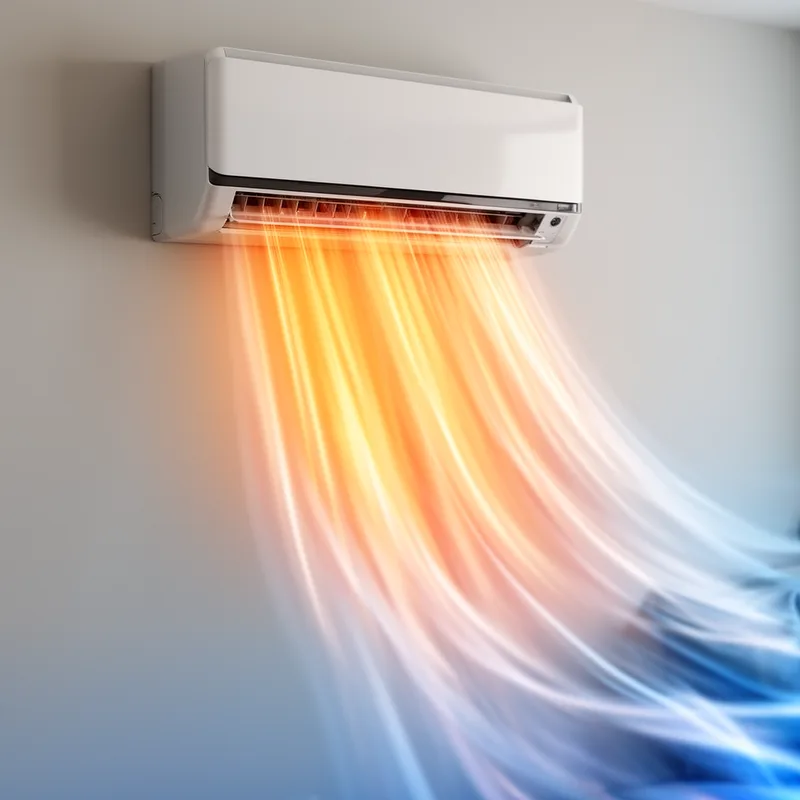
BTU
 9
6.1
9
6.1

- noun
- /ˈbiː tiː juː/
- Specialized
- The Authority also operates a resource recovery plant, but the BTU value of the rejects is poor.
- million BTUs
- quadrillion BTUs
- BTU per pound
Loading YouTube…
Watch on YouTubeHere you get still BTU's per pound.
- Here you get still BTU's per pound.
- So on the other hand, per BTU, it's so much cheaper than oil.
- If you can find a way to use the gas Btus and not oil Btus, it makes a big difference.
Examples
-
The prices are on a dollar per million Btu basis for spot deals with a duration of 30 days or less.
Academic text (1993) -
The relatively low Btu value of the unimproved materials is explained by their wet nature.
Academic text (1996) -
So on the other hand, per BTU, it's so much cheaper than oil.
-
Gas is one of the lower BTU components of a barrel of oil.
Blog text (29) -
Well, you can solve for the heat load because this is the number of Btus per hour.
-
If the incinerator burns eighty percent or more of its fuel measured on a BTU basis.
Academic text (1993) -
Consumption of heavy fuel decreased by about half, from 1.7 quadrillion Btu in 1980 to 0.8 quadrillion Btu in 1988.
Academic text (1993) -
According to estimates by Praxair, these reheat burners could save the steel industry 70 trillion BTU/year.
Academic text (1998) -
The average home heating system uses about 50,000 BTU to keep the space warm during winter.
-
The efficiency of a gas furnace is measured in BTU output per hour, which indicates how much heat it can generate.
Synonyms


 1
6.8
1
6.8
A unit of heat equal to the heat needed to raise one pound of water by one degree Fahrenheit
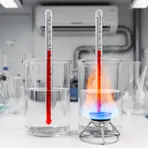
A unit of heat equal to the amount needed to raise one pound of water by one degree Fahrenheit

A unit of energy used to measure the heat or cooling power of fuels and heaters like air conditioners
Surface Forms
Etymology
BTU stands for British, Thermal, and Unit, and it names a small 'unit' of 'heat' that was first used in Britain. One BTU is the amount of heat needed to raise one pound of water by one degree Fahrenheit, so heaters and air conditioners use BTUs to show how much heat they give or remove.