
BPH
 1
7.5
1
7.5

- noun
- /biː piː eɪtʃ/
- Specialized
- Around 50% of men over 60 will develop BPH, resulting in difficulties with urination.
- benign prostatic hyperplasia
- prostatic hyperplasia
- hyperplasia (BPH)
Loading YouTube…
Watch on YouTubeAnd all of that leads to an enlarged prostate or BPH.
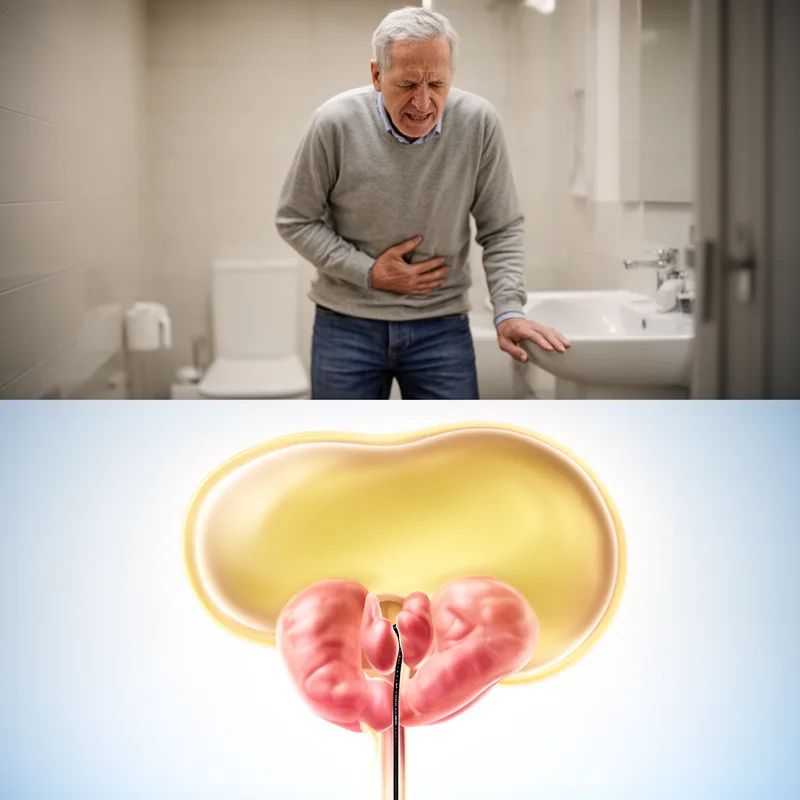
- And all of that leads to an enlarged prostate or BPH.
- There's several lobes of the prostate that tends to be especially enlarged in cases of BPH and BPH prostate hyperplasia or an enlarged prostate.
Examples
-
Many men experience BPH as they age, leading to various urinary issues.
-
Benign prostatic hyperplasia (BPH) is also referred to as BPE—benign prostatic enlargement.
Academic text (2012) -
Around 40% of all men over the age of 50 will have some degree of BPH.
Academic text (2012) -
Cialis' label expansion would provide patients suffering from both ED and BPH with a new treatment option.
Blog text (19) -
BPH is the benign enlargement of the prostate gland.
Academic text (2012) -
Most men have BPH (benign prostate hypotrophy), causing urinary urgency several times at night.
Blog text (23) -
The three most common prostate problems are an enlarged prostate (benign prostatic hyperplasia or BPH), prostatitis, and prostate cancer.
Academic text (2012) -
Doctors often diagnose BPH in older patients who report frequent urination during the night.
Synonyms

An enlargement of the prostate gland that is not cancer and often makes it hard to pee
Surface Forms
Morphology
BPH = B + P + H
This is an initialism (letters standing for 'benign prostatic hyperplasia'); the component letters do not convey the medical meaning and are not productive English morphemes for learners.
Etymology
BPH is short for benign prostatic hyperplasia. Here benign means 'not cancer', prostatic refers to the prostate gland under a man's bladder, and hyperplasia is made of hyper- 'too much' and -plasia 'growth', so BPH is a 'not-cancerous overgrowth' of the prostate that often happens as men get older.