
Avicenniaceae
- noun
- Archaic
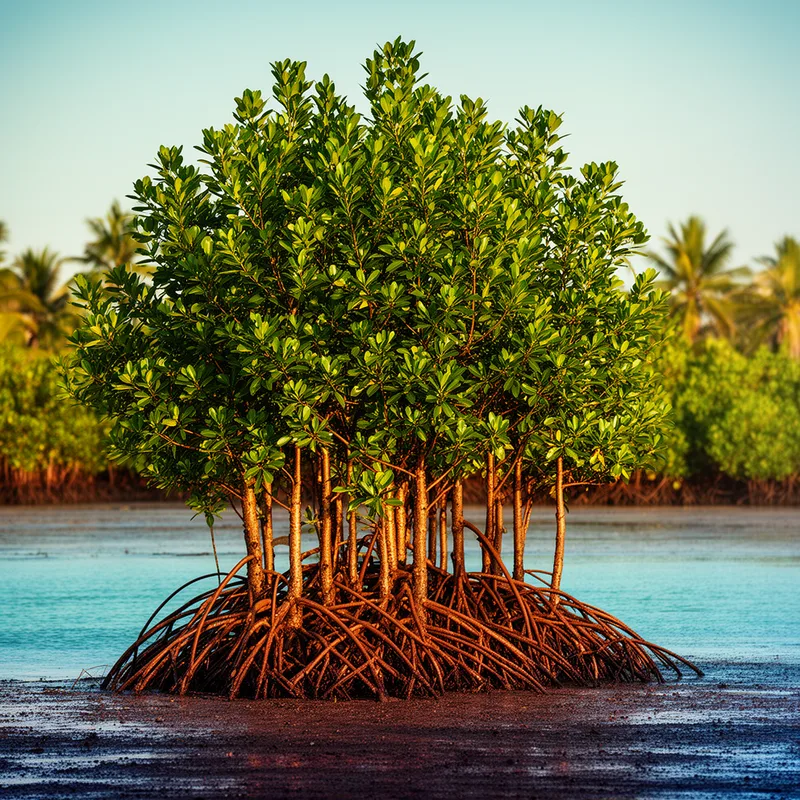
- The Avicenniaceae contain mangrove trees found in tropical coastal regions worldwide.
Examples
-
Many taxonomists now include Avicenniaceae within the broader family Acanthaceae.
-
Recent botanical studies have questioned the validity of Avicenniaceae as a separate family.
-
The Avicenniaceae family includes species commonly found in mangrove ecosystems.
-
Did you know that Avicenniaceae plants thrive in coastal regions?
-
Many taxonomists now include Avicenniaceae within the broader family Acanthaceae.
-
Recent botanical studies have questioned the validity of Avicenniaceae as a separate family.
-
The Avicenniaceae contain mangrove trees found in tropical coastal regions worldwide.
Synonyms

A group of tropical coastal plants, mainly mangrove trees like Avicennia
Surface Forms
Morphology
Avicenniaceae = Avicennia (semi-transparent) = Avicennia + aceae
Formed by the standard botanical family suffix '-aceae' added to the genus name 'Avicennia'; the formation is regular but understanding requires taxonomic knowledge.
Etymology
The word Avicenniaceae is named after the Persian scholar Avicenna, and the ending -aceae shows a plant 'family', as in Rosaceae for roses. So Avicenniaceae means 'Avicenna's family' and was used for a group of mangrove plants called Avicennia, though scientists now usually put them in the family Acanthaceae.

