
Aum
 2
9.9

- proper noun
- Offensive
- But the case of Aum Shinrikyo, an apocalyptic Japanese cult, reveals that this logic is not always correct.
- Aum Shinrikyo
- Aum cult
- Japanese Aum
Examples
-
Nearly a year before its attack on the Tokyo subway system, the Aum Shinrikyo group had used the nerve gas Sarin in assaults on civilians.
Academic text (1998) -
Before releasing sarin gas in the Tokyo subway the Japanese cult Aum Shinrikyo attempted to acquire a nuclear bomb in Russia.
-
Aum Shinrikyo doctrine held that murder could help both the victim and the murderer to salvation.
Academic text (1996) -
The Japanese death terror cult, Aum Shinrikyo, attemted to buy a nuclear bomb from the Soviet Union.
-
The persons responsible for these attacks belonged to a religious cult, Aum Shinrikyo (Supreme Truth).
Academic text (1996) -
There are certainly sects such as David Koresh's Branch Davidians and Japan's Aum Shinrikyo sects that have proven dangerous.
Academic text (2007) -
Fascination with scenarios of terrorism involving such weapons has prevailed at least since the 1990s; the attack with sarin gas by the Japanese cult Aum Shinrikyo on the Tokyo subway in 1995 stimulated public interest in the subject.
Academic text (2013) -
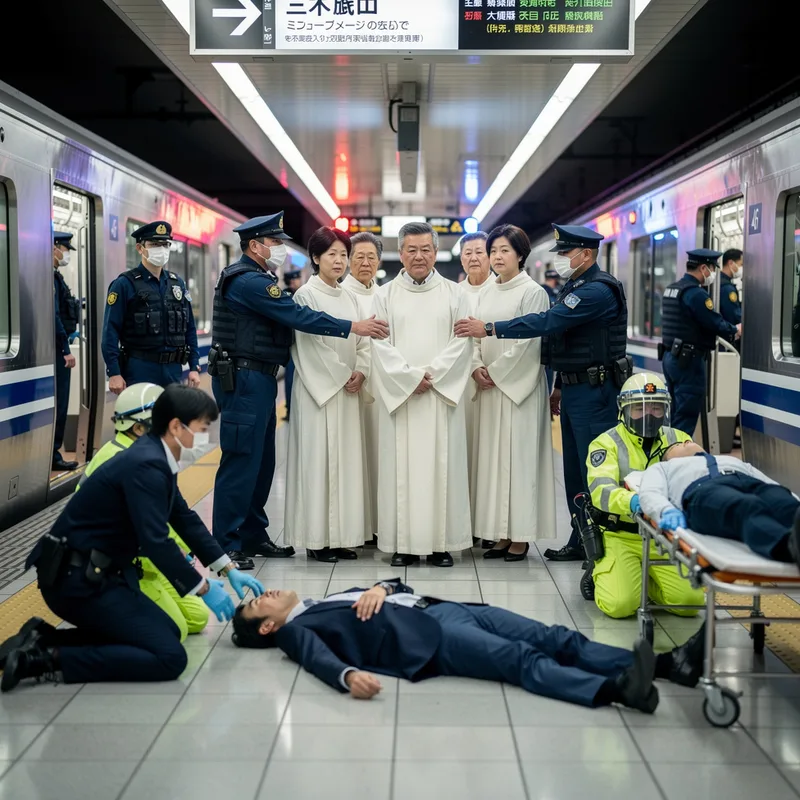
In 1995, members of the Aum Shinrikyo cult used sarin gas to kill 12 people in the Tokyo subway.
-
The cult Aum Shinrikyo became infamous for its deadly sarin gas attack on the Tokyo subway.
-
The Japanese religious group Aum Shinrikyo was designated a terrorist organization after several violent attacks.
Synonyms
 1
9.9
A Japanese religious group that used violence, known for the 1995 Tokyo subway poison gas attack
Surface Forms
Etymology
Aum comes from the sacred sound 'Om' used in Hindu and Buddhist prayer and in yoga. A Japanese group, Aum Shinrikyo, took this name but after the 1995 Tokyo subway sarin attack it became known as a terrorist group, so today Aum often refers to that group.