
Astropogon stellatus
- noun
- Specialized
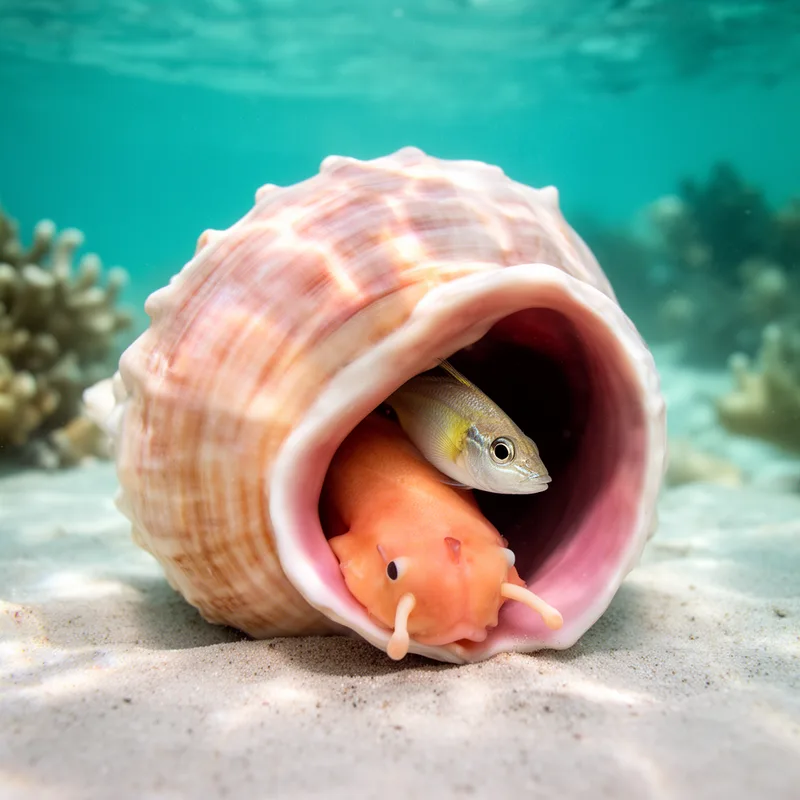
- The Astropogon stellatus can often be found sheltering inside the shells of living conchs.
Examples
-
Marine biologists studied the relationship between Astropogon stellatus and its host conchs in the Caribbean.
-
Unlike many other cardinalfish, Astropogon stellatus has a unique symbiotic habitat.
-
The Astropogon stellatus is a unique species of cardinalfish.
-
Have you ever seen an Astropogon stellatus in its natural habitat?
-
Marine biologists studied the relationship between Astropogon stellatus and its host conchs in the Caribbean.
-
The Astropogon stellatus can often be found sheltering inside the shells of living conchs.
-
Have you ever seen an Astropogon stellatus in its natural habitat?
Synonyms


 1
8.7
A small red tropical fish that lives in coral reefs and near the shore
A small fish that lives inside a live conch shell in the West Indies
Surface Forms
Morphology
Astropogon + stellatus
This is a Latin binomial (genus + species epithet) functioning as a taxonomic label rather than a compositional English phrase; knowing the parts does not yield the specific meaning or habitat information. The second element is not a known English word here and the name is essentially an arbitrary species label, so a B1 learner would not be able to derive the MWE meaning from the constituents.
Etymology
Astropogon stellatus may come from old parts Astro ('star') and pogon ('beard') plus stellatus ('starry'), because the fish has small star-like spots and whisker-like fins. So the name makes a picture of a little 'starred beard' fish hiding in a conch shell, which helps explain why this cardinalfish lives in the mantle cavity of living conchs.