

Aster novae-angliae
- noun
- /ˈæstər ˌnoʊviˈæŋɡliˌeɪ/
- Specialized
- Pollinators are attracted to the purple flowers of Aster novae-angliae throughout autumn.
Examples
-
Look at the Aster novae-angliae!
-
Many gardeners choose Aster novae-angliae for its vibrant late-season blooms.
-
The garden was brightened in the fall by a large clump of Aster novae-angliae.
-
The Aster novae-angliae blooms beautifully in the fall.
-
The garden was full of vibrant flowers, including the beautiful Aster novae-angliae that bloomed in the fall.
-
I planted several Aster novae-angliae to add color to my yard during the autumn months.
-
Her favorite flower is the Aster novae-angliae because of its striking purple petals and resilience.
Synonyms
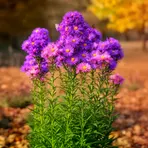
A plant that lives for many years with tall stems and purple or pink flower heads that blooms in autumn
Surface Forms
Morphology
aster + novae-angliae
The phrase is a scientific Latin binomial combining the English noun 'aster' with the Latin epithet 'novae-angliae' (literally ‘of New England’), so if a learner knew both constituents they could infer it names an aster from New England. However, the species epithet is Latin and not predictable or familiar to most B1 learners, making the form only partially transparent.
Etymology
Aster novae-angliae literally means 'New England star' in Latin: aster = 'star' and novae-angliae = 'of New England'. Because the flowers look like little stars and the plant comes from New England, the name helps you remember it is the purple, late-season flower gardeners often call a 'Michaelmas daisy'.

