

Armillaria
- noun
- /ˌɑːrmɪˈleɪriə/
- Specialized
- Scientists study Armillaria to understand its role in causing root diseases in forests.
Examples
-
The forest was infested with Armillaria, posing a serious threat to the trees.
-
The Armillaria species can be found in many forests.
-
Some species of Armillaria are collected and eaten in several countries.
-
Many people enjoy foraging for Armillaria mushrooms.
-
The Armillaria fungus can cause significant damage to the roots of many trees.
-
Some species of Armillaria are edible and are enjoyed by mushroom foragers.
-
The forestry technician identified the Armillaria in the sample as a common cause of root rot.
Compounds

- Specialized
A mushroom with a brown cap, white gills and a ring on the stalk that grows near trees

- Specialized
A mushroom with a brown cap, white gills, and a thin ring halfway up the stalk
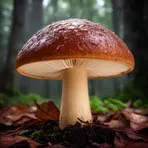
- Specialized
A large mushroom with a sticky cap that turns brown and has pale gills

- Specialized
A large edible mushroom with white gills, a spicy smell, and brown stains as it ages
Surface Forms
Etymology
Armillaria comes from the Latin root armilla, which means 'bracelet' or 'ring'. Many of these mushrooms have a ring or band on their stem, so the name is like a 'bracelet' and helps you remember this group of mushrooms that can be eaten or can cause root rot in trees.

