
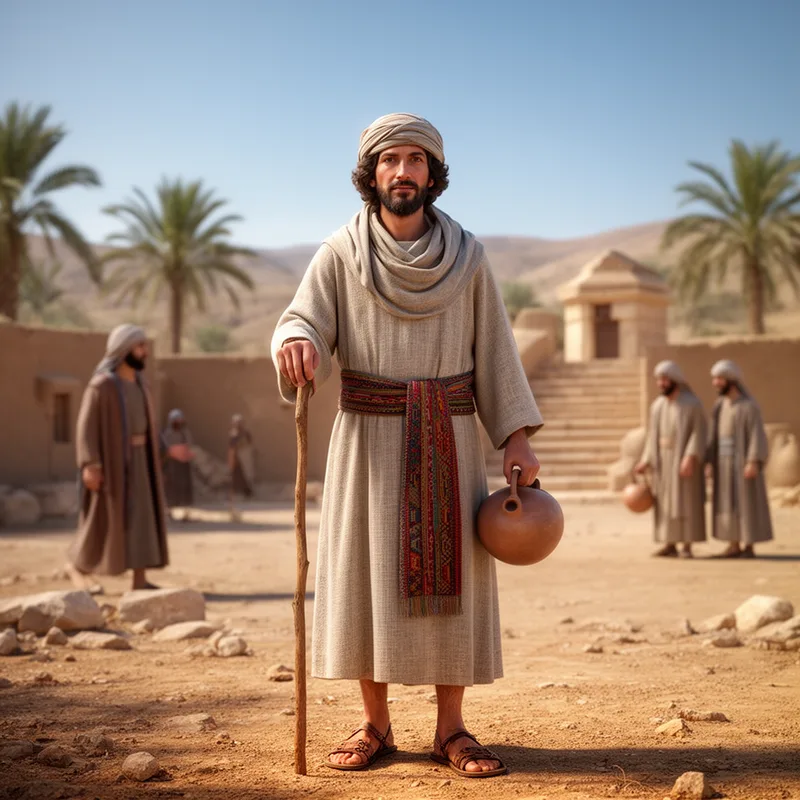
Aramaean
- noun
- /ˌærəˈmeɪən/
- To demonstrate the social fusion and to facilitate the administration of the Caliphate, the Abbasids employed a great number of Persians and Persianized Aramaeans in the bureaucracy.
Examples
-
The substantial number of Persians and Persianized Aramaeans who converted to Islam had, however, varied economic backgrounds.
Academic text (1994) -
38 Gibb contends that Perso-Aramaean culture inherently contains Manichaean tendencies, zandaqa.
Academic text (1994) -
Did I not, who brought Israel out of the land of Egypt, bring the Philistines from Caphtor and the Aramaeans from Kir?
Academic text (1991) -
At the same time, many Persians and Persianized Aramaeans received positions as 'secretaries' or civil servants.
Academic text (1994) -
True, I brought Israel up from the land of Egypt, but also the Philistines from Kaftor and the Aramaeans from Kiir.
-
King David of Israel defeated the Aramaean army at the Battle of Helam before attacking Damascus, the Aramean capital.
-
In 853 BC, the Assyrians defeated the Aramaeans at Qarqar in the first battle to record the military use of horse and camel cavalry units.
-
Assyrian King Sargon II defeated an Aramaean coalition led by the king of Hamath in an epic clash at Qarqar.
Synonyms



 1
9.9
1
9.9
A person from an ancient people who lived in Aram and Mesopotamia
Surface Forms
Morphology
Etymology
Aramaean comes from Aram, the name of an ancient region around modern-day Syria, and the ending -ean which means 'from' or 'of'. An Aramaean was a person 'from Aram' — the people who lived there and spoke Aramaic.