
Apus


 1
9.9
1
9.9
- proper noun
- Specialized
- As described earlier, the Incas drew their ideas of the landscape from pan-Andean perspectives, which shared beliefs in Apus and Pachamama across the vast Andes (albeit with subtle regional variations).
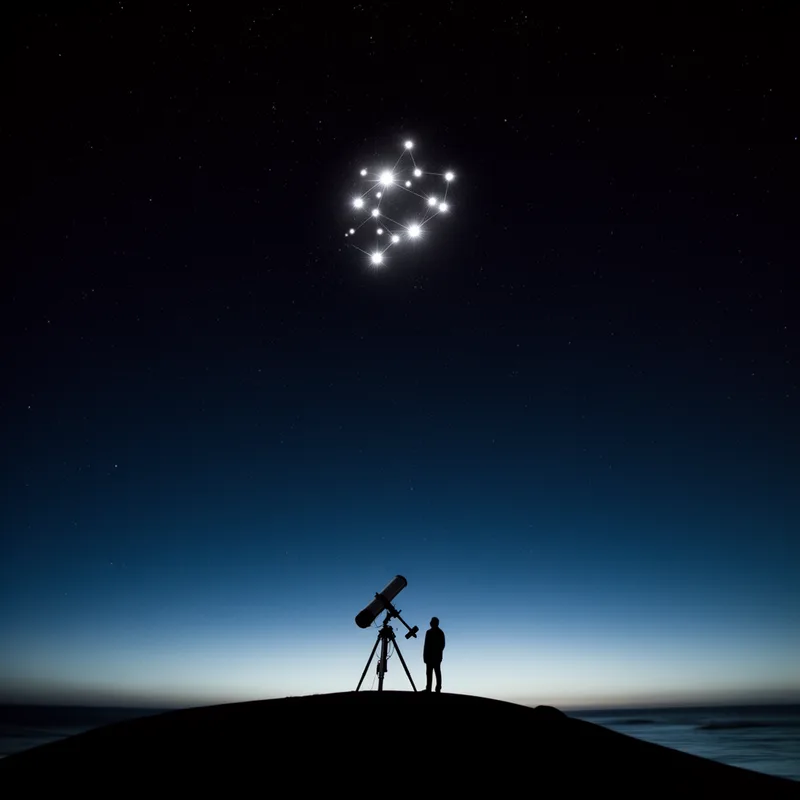
- constellation Apus
- southern constellation Apus
Examples
-
Pan-Andean Apus, such as the sacred mountain Salcantay, as well as local ones, such as Antakilke, can be seen from Chinchero.
Academic text (2007) -
In the southern sky, you can find the small constellation Apus, also known as the Bird of Paradise.
-
For example, in the highlands of the south-central Andes, special mountains were understood to be Apus, that is, places marked out as sacred and venerated.
Academic text (2007) -
Conspicuously absent from the conversation were the great strides in efficiency and delivery made by Kaplan, University of Phoenix, APUS, and others in the field of distance learning.
Blog text (3) -
Astronomers often study the faint stars of Apus, which is located near the constellation Octans.
-
When stargazing in the Southern Hemisphere, be sure to look for Apus, the constellation shaped like a tropical bird.
Compounds
- Specialized
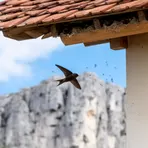
A small dark bird with long wings that flies fast and nests under roofs and cliffs

Surface Forms
Etymology
Apus takes its name from the same Greek apous, which means 'without feet', and was used for the bird-of-paradise that early travellers thought had no legs. So, the constellation Apus is a small southern star picture of a bird, and the name helps you remember it stands for a footless-seeming bird in the sky.