
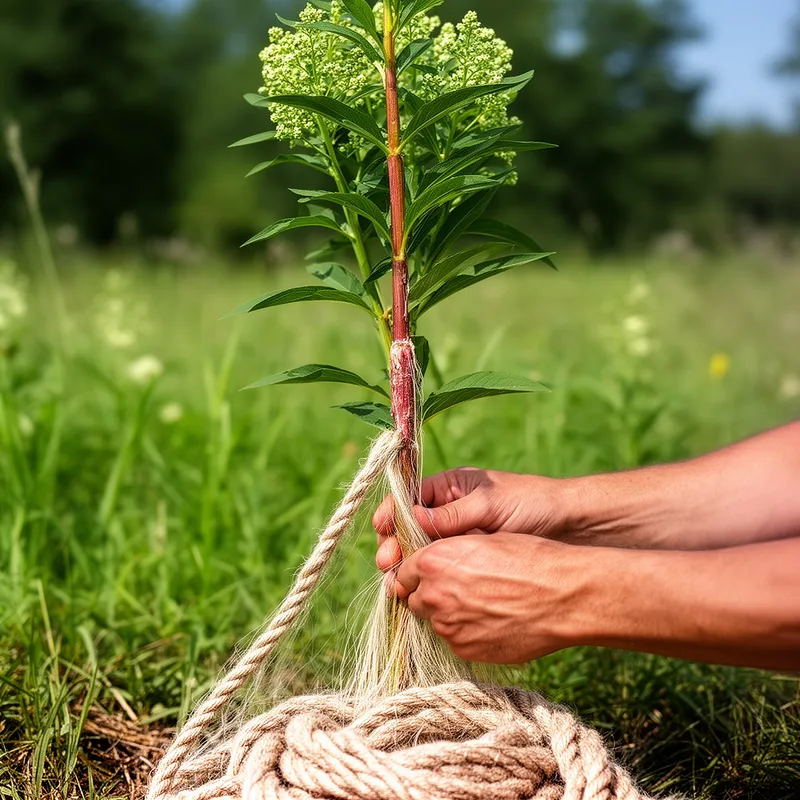
Apocynum cannabinum
- noun
- /ˌæpəˈsɪnəm ˌkænəˈbɪnəm/
- Specialized
- Native Americans once used Apocynum cannabinum fibers to make nets and ropes.
Examples
-
Traditional medicine sometimes employs extracts from Apocynum cannabinum for joint pain relief.
-
The fibers of Apocynum cannabinum are incredibly durable.
-
Botanists often study Apocynum cannabinum for its ecological role in North American habitats.
-
Many Native American tribes used Apocynum cannabinum for medicinal purposes.
-
Native Americans once used the fibers of Apocynum cannabinum to make strong ropes for fishing.
-
Many people today are rediscovering the traditional uses of Apocynum cannabinum in herbal medicine for pain relief.
-
The tough fibers derived from Apocynum cannabinum are often used in crafting durable cords and nets.
Synonyms

A North American plant with pink flowers used in traditional medicine for joint pain and to make rope
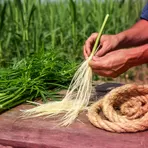
A plant grown for strong fibers used to make rope
Surface Forms
Morphology
Apocynum + cannabinum
This is a Latin binomial (scientific name) rather than a compositional English phrase; the constituents are specialized botanical terms (one undefined here), so a B1 learner who knows the words would not be able to derive that it denotes a particular North American plant used for fiber and medicine. Any resemblance of 'cannabinum' to 'cannabis' is a technical morphological link not reliably interpretable by learners at this level, making the meaning unpredictable from the parts.
Etymology
Apocynum cannabinum gets its name from people noticing its hemp-like stems; the part cannabinum points to 'hemp' because its long fibers were used to make 'rope' and 'nets'. It was also called 'dogbane' or 'Indian hemp' and used in simple medicine, so the name helps us remember its tough fiber and traditional healing uses.

