

Anthophyta
- noun
- /ænˈθoʊfɪtə/
- Specialized
- Scientists classify roses, daisies, and sunflowers as members of the Anthophyta.
Examples
-
Many fruits and vegetables that we eat come from plants classified under Anthophyta.
-
The Anthophyta division includes a wide variety of flowering plants.
-
Evolutionary biologists study how Anthophyta came to dominate many terrestrial ecosystems.
-
The Anthophyta display a remarkable diversity in flower structure and form.
-
Many species in the Anthophyta group are essential for ecosystems.
-
Botanists identify the oak tree as a vital member of the Anthophyta group.
-
The Anthophyta are crucial for pollinators, providing them with nectar and pollen.
Synonyms

A group of flowering plants that make seeds inside a fruit
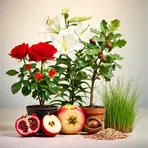
A group of plants that make flowers and seeds inside a fruit

A large group of plants that have flowers and seeds inside a fruit
Compounds
Surface Forms
Morphology
Anthophyta = antho- + -phyta (opaque) = antho + phyta
The parts are specialized Greek combining forms (antho-, -phyta) used in scientific taxonomy and are not recognizable independent English words to average learners.
Etymology
Anthophyta comes from Greek roots anthos 'flower' and phyta 'plant', so it means 'flower-plants'. That's why Anthophyta is the name for the group of plants that make flowers and keep their seeds inside the flower.

