
Amorite


 1
9.9
- adjective
- /ˈæməˌraɪt/
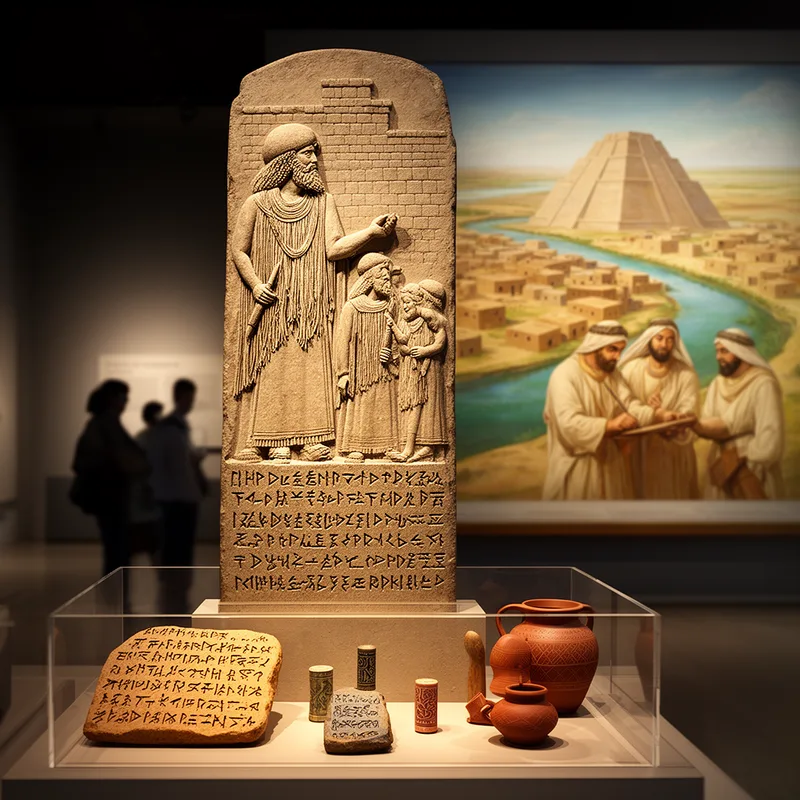
- The museum displayed several Amorite artifacts from the early Bronze Age.
Examples
-
Researchers studied Amorite inscriptions to learn more about ancient Semitic languages.
-
The Amorite influence on Mesopotamian culture is evident in their architecture and art.
-
The Amorite civilization thrived in ancient Mesopotamia.
-
Researchers study Amorite artifacts to learn about their culture.
-
The museum displayed several Amorite artifacts from the early Bronze Age.
-
Researchers studied Amorite inscriptions to learn more about ancient Semitic languages.
-
The Amorite influence on Mesopotamian culture is evident in their architecture and art.
Surface Forms
Morphology
Amorite = Amor (opaque) = Amor + ite
Formed from the ethnonym 'Amor' + the productive suffix '-ite'; because the base 'Amor' is not a familiar English word to learners, the relation is not readily derivable.
Etymology
The word Amorite comes from the name of an ancient people, the Amorites, who lived in the Near East in areas we now call Mesopotamia and Syria. So, something described as Amorite belongs to or is connected with that people, like their culture, art, or history.