

Amaranthus hypochondriacus
- noun
- Specialized
- Farmers in India cultivate Amaranthus hypochondriacus both for its leafy greens and its nutritious seeds.
Examples
-
The seeds of Amaranthus hypochondriacus can be ground into flour and used in baking.
-
Traditional dishes in Mexico sometimes include the young leaves of Amaranthus hypochondriacus as a vegetable.
-
Look at the Amaranthus hypochondriacus!
-
The garden featured beautiful Amaranthus hypochondriacus plants.
-
Farmers in India cultivate Amaranthus hypochondriacus both for its leafy greens and its nutritious seeds.
-
The seeds of Amaranthus hypochondriacus can be ground into flour and used in baking.
-
Traditional dishes in Mexico sometimes include the young leaves of Amaranthus hypochondriacus as a vegetable.
Synonyms

 1
9.9
1
9.9

A tall garden plant with long colorful flower spikes
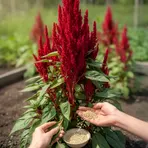
A tall plant with red flowers and edible leaves and seeds

A tall tropical plant with hairy stems and long red flower spikes whose seeds are used like cereal
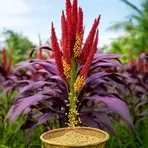
A tall tropical plant with long red flower spikes and purple leaves whose seeds are eaten as cereal

A tall tropical plant with long red flower spikes and edible seeds

A tall plant with purple leaves and red flower spikes whose seeds people eat
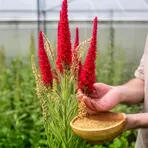
A tall American annual with hairy stems, long red flower spikes, and seeds used as cereal
Surface Forms
Morphology
Amaranthus + hypochondriacus
Knowing 'Amaranthus' tells a learner this is an amaranth (a plant genus), so they can infer the phrase names a plant species. However the species epithet 'hypochondriacus' is a Latinized label (not a transparent English word) and does not convey the specific descriptive senses (tall, showy, edible seeds) to a B1 learner, so the overall meaning is only partially predictable.
Etymology
Amaranthus hypochondriacus may come from old Greek and Latin words: Amaranthus means 'unfading' and hypochondriacus is a word once linked to the chest or old remedies. The 'unfading' image helps you remember this tall, showy plant with long, bright flower spikes and useful leaves and seeds, because the flowers seem to keep their colour for a long time.