
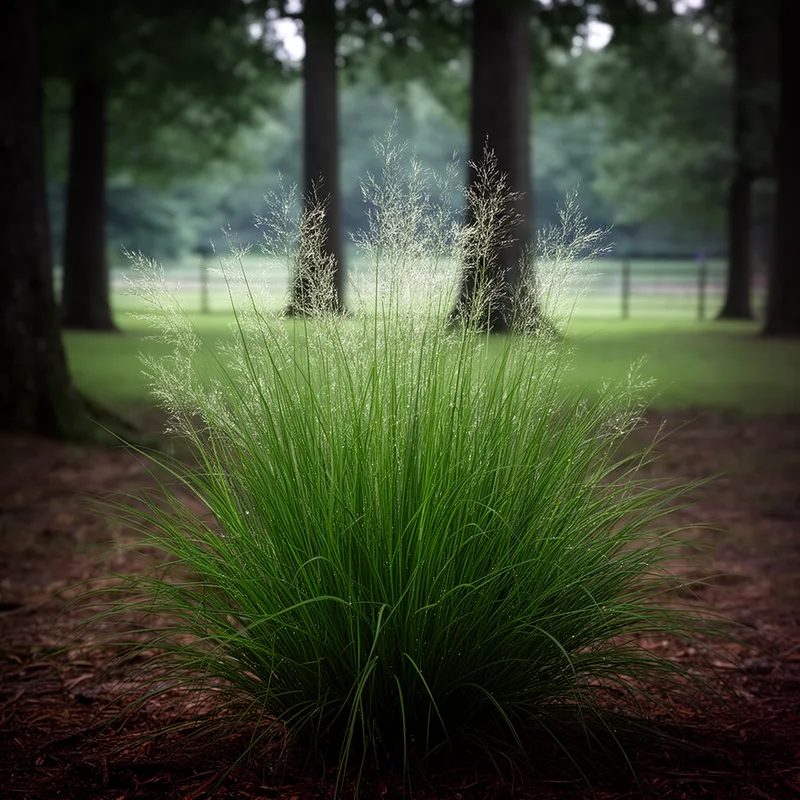
Agrostis alba
- proper noun
- Specialized
- The shady woodland featured a dense patch of Agrostis alba thriving beneath the trees.
Examples
-
Botanists studied how Agrostis alba adapted to the colder climates of northeastern America.
-
Agrostis alba is commonly used in lawns and pastures due to its hardiness.
-
The Agrostis alba thrives in shady areas.
-
Have you seen Agrostis alba growing in the park?
-
Agrostis alba is a popular choice for landscaping in shaded parts of gardens.
-
During a field trip, we discovered a large area of Agrostis alba flourishing in the forest.
-
Many farmers in New England are cultivating Agrostis alba for its resilience in less sunny spots.
Surface Forms
Morphology
Agrostis + alba
This is a compositional scientific name: genus (Agrostis = a grass) + specific epithet (alba = 'white' in Latin/related Romance words), so a learner who knows both constituents can infer it denotes a particular species of Agrostis (a type of grass). Although 'alba' is a Latin element rather than everyday English (so many learners may not know it), if the constituents are known the overall meaning is directly derivable.
Etymology
Agrostis alba comes from Latin words: Agrostis meaning 'grass' and alba meaning 'white'. One popular idea is that the plant's pale, fine seed heads looked whitish in fields or lawns, so the name stuck and now points to this slender, pale grass often found in shady places.

