
Aeolus


 1
9.9
- proper noun
- /ˈiːə.ləs/
- Literature
- Sailing vessel AEOLUS for Valletta Port Control.
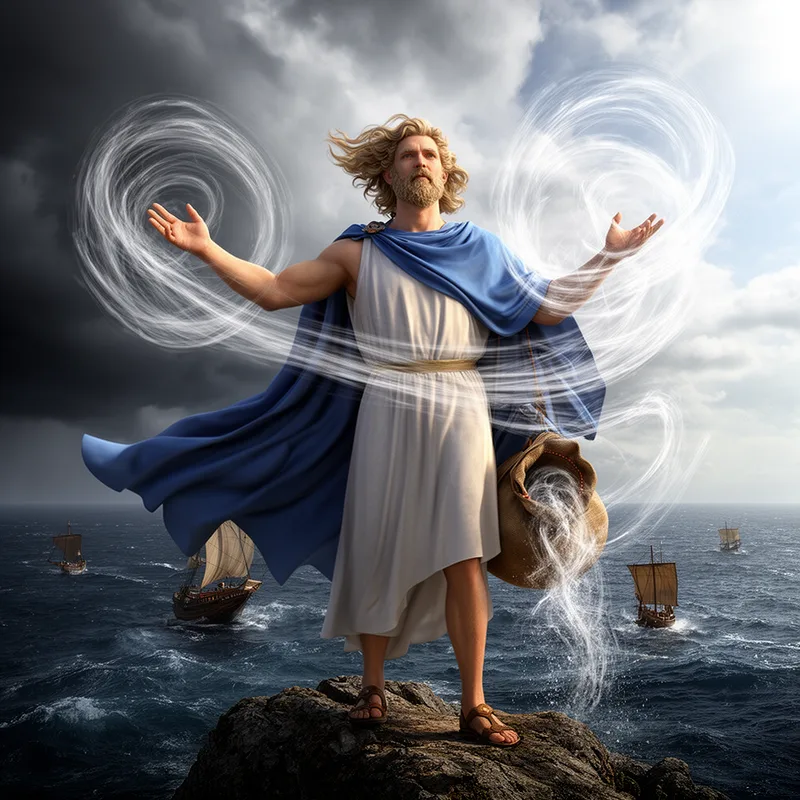
- Aeolus, the Greek god
- Aeolus, the Greek
Examples
-
This is sailing vessel AEOLUS requiring assistance.
-
This is sailing vessel AEOLUS.
-
This is sailing vessel AEOLUS.
-
This is sailing vessel AEOLUS, trying to make contact with any vessel that can hear me.
-
A star sixteen light-years away, which humanity would name Aeolus, was about to die.
Fiction book (2000) -
For instance, Juno's first words to Aeolus, in scene two of the prologue, show something of how he varied his line: PREFORMATTED TABLE
Academic text (2000) -
She stirs up Eol (Aeolus) and his crew and sets much of the machinery, dramatic and mechanical, going.
Academic text (2000) -
I posted another temporal anomalies piece to the Examiner, this one, Triangle part 9: Toward infinity, looking at the problem created by the accumulating notes, pendants, and particularly bodies aboard the Aeolus with every pass through the loop.
Blog text (30) -
In thinking about Joycean mirrorhand, another relevant passage is the typesetting in reverse that Bloom observes in "Aeolus" (Joyce 1993, 7.205-6). #22.
Academic text (2017) -
In Homer's Odyssey, Aeolus, keeper of the winds, bestows Odysseus and his crew with a gift bag of the four winds.
Surface Forms
Etymology
Aeolus comes from the Greek name Aiolos, which means 'quick-moving' or 'changeable', a good image for the wind. So thinking of 'changeable' helps you remember that Aeolus is the god who controls winds and storms.