
Actinomycetales


 1
9.9
- noun
- /ˌæktɪnəˈmaɪsɪˌteɪliz/
- Specialized
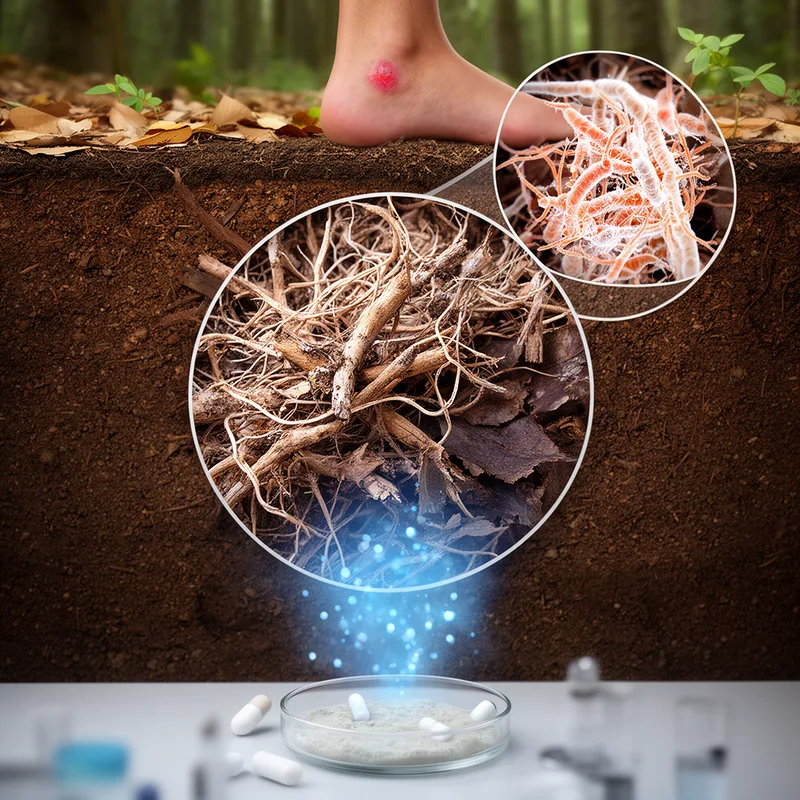
- Several species within the Actinomycetales order are important producers of antibiotics.
Examples
-
The soil was found to contain a high population of Actinomycetales, which aid in decomposition.
-
Some Actinomycetales can cause infections in humans and animals, particularly if the immune system is compromised.
-
The Actinomycetales play a crucial role in soil health.
-
Researchers found several species of Actinomycetales in the samples.
-
Several species within the Actinomycetales order are important producers of antibiotics.
-
Some Actinomycetales can cause infections in humans and animals, particularly if the immune system is compromised.
-
The soil was found to contain a high population of Actinomycetales, which aid in decomposition.
Surface Forms
Morphology
Actinomycetales = actinomycete (opaque) = actino + mycete + ales
Formed by scientific combining forms plus the taxonomic order suffix '-ales'; these are technical Latin/Greek morphemes unlikely to be understandable to a general B1 learner.
Etymology
Actinomycetales breaks into parts: actino- meaning 'ray', mycet- meaning 'fungus' or 'mushroom', and -ales meaning 'order' or 'group'. So the name describes a group of bacteria that look a little like fungi with ray-like threads, which fits these soil bacteria that help break down dead matter and make antibiotics.