
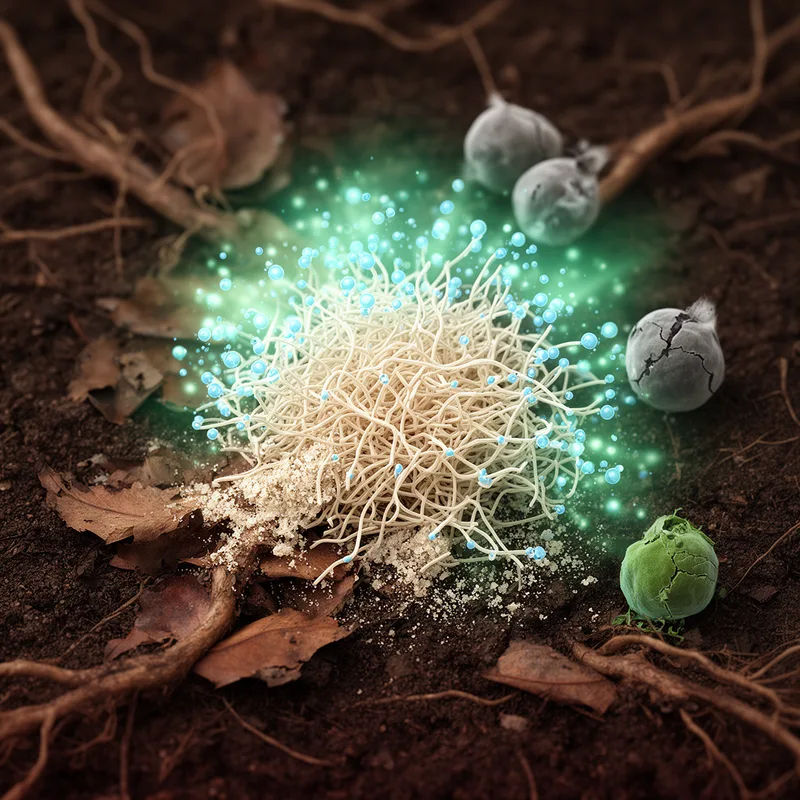
Actinomycetaceae
- noun
- /ˌæktɪnəˈmaɪsɪˌteɪʃi/
- Specialized
- The soil sample contained several members of the Actinomycetaceae family, which are important in organic matter decomposition.
Examples
-
Researchers are studying Actinomycetaceae for their potential to produce new antibiotics.
-
Many antibiotics are derived from Actinomycetaceae bacteria.
-
Infections caused by Actinomycetaceae can be difficult to treat due to their resistance to common drugs.
-
The family Actinomycetaceae plays a crucial role in soil health.
-
Researchers are studying Actinomycetaceae for their potential to produce new antibiotics.
-
The soil sample contained several members of the Actinomycetaceae family, which are important in organic matter decomposition.
-
Many antibiotics are derived from Actinomycetaceae bacteria.
Synonyms

A group of bacteria that grow as branching threads and can cause disease
Surface Forms
Morphology
Actinomycetaceae = Actinomyces (opaque) = Actinomyces + aceae
A technical taxonomic family name formed from a genus plus the Latin suffix '-aceae'; understanding requires biological knowledge of the genus.
Etymology
Actinomycetaceae comes from the parts actino- meaning 'ray', mycet- meaning 'fungus' (think 'mushroom'), and the family ending -aceae meaning 'a family'. They are bacteria that make long, ray-like threads that look a bit like fungi, and they live in soil where they help break down dead plants and can make antibiotics.

