
ATM
 1
4.7
1
4.7

- noun
- /ˌeɪtiːˈɛm/
- Archaic
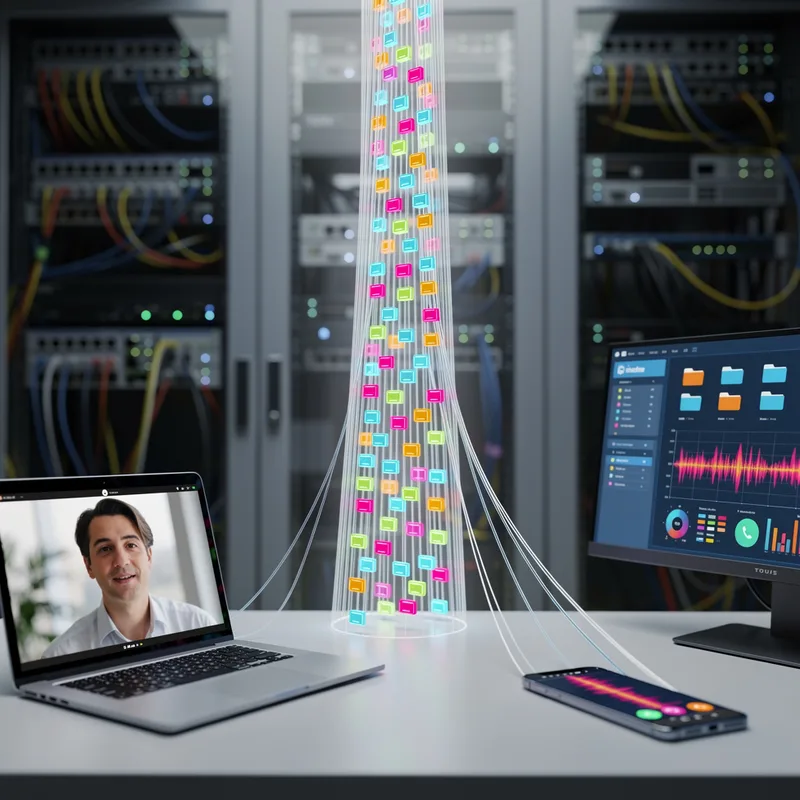
- Advanced ATM protocols can support high-quality video conferencing over digital networks.
- ATM cell
- ATM CRC-32
- ATM, and FDDI
Examples
-
Service integration has been one of the most researched areas in communication networks, and it is known that high-speed networks such as the Asynchronous Transfer Mode (ATM) network offer a powerful method to integrate network services.
Academic text (2000) -
You need to move to an ATM system instead of the WAN.
-
Typical applications of this type of technology are ATM machines and mall directory kiosks (courtesy 3M).
Academic text (2008) -
Messages transported through an Asynchronous Transfer Mode (ATM) network must be segmented into short, fixed-length packets, called cells, at the source and reassembled at the destination.
Academic text (1997) -
In many offices, the ATM technology facilitates quick data transfers and connectivity.
-
Companies are increasingly relying on ATM systems to improve their network efficiency and performance.
Synonyms

A fast digital way to send small pieces of data that are the same size, such as voice and video
Surface Forms
Morphology
ATM = asynchronous + transfer + mode (semi-transparent) = A + T + M
The component words describe the concept, but the term denotes a specific technical networking standard unfamiliar to general learners.
Etymology
ATM in computing comes from Asynchronous Transfer Mode. The phrase shows it is a 'mode' or way to 'transfer' data in small, fixed pieces so voice, video and files travel fast and reliably, which is why networks used it for high-speed links.