

ALS
 37
5.6
37
5.6

- noun
- /eɪ ɛl ɛs/
- Specialized
- Support groups for families affected by ALS provide valuable resources and emotional help.
- ALS (amyotrophic lateral sclerosis)
- individuals with ALS
- severe ALS
Loading YouTube…
Watch on YouTubeHe had multi system atrophy, which is kind of like ALS that that sort of thing.
- He had multi system atrophy, which is kind of like ALS that that sort of thing.
- So I started out in my high school, my college, Wounded Warriors, ALS, Parkinson's.
- Now they don't say how come my Alzheimer's or my Parkinson's or my ALS hasn't healed.
Examples
-
Most people with ALS do not experience impaired cognition.
-
The New Jersey case involved a ventilator-dependent woman dying of amyotrophic lateral sclerosis (ALS, or Lou Gehrig's disease).
Academic text (2002) -
Project ALS is driving scientific research forward.
-
The cause of ALS is unknown, and so is the cure.
Academic text (1991) -
OK so ALS is a neuromuscular disease.
-
Franny and I bought a table at an ALS fundraiser.
-
There's a case study that just came out on ALS, amyotropic lateral sclerosis or Lou Gehrig's disease.
-
Many individuals diagnosed with ALS experience significant muscle weakness over time.
-
Research has shown that early diagnosis of ALS can help manage symptoms more effectively.
Synonyms
 8
4.1
8
4.1
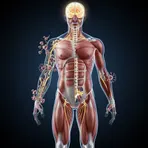
A serious disease that slowly stops the muscles you can control from working
 1
6.8
1
6.8
A disease that slowly destroys nerve cells in the brain and spinal cord that control muscles
Surface Forms
Etymology
ALS is short for the medical name amyotrophic lateral sclerosis. That name breaks into parts: a- 'no', myo 'muscle', trophic 'nourish', lateral 'side', and sclerosis 'hardening', so it literally describes muscles that lose nourishment and harden on the side of the spinal cord, which is why ALS causes muscle weakness.