

florist's cineraria
- noun
- /flɔːrɪsts sɪnəˈrɛəriə/
- The florist's cineraria is popular in spring gardens for its vibrant blossoms.
Examples
-
She won a prize at the flower show for her beautiful florist's cineraria plants.
-
Grown indoors, the florist's cineraria adds a splash of blue and purple to any room.
-
I bought a beautiful florist's cineraria for my mother.
-
The florist's cineraria blooms bright pink in spring.
-
Grown indoors, the florist's cineraria adds a splash of blue and purple to any room.
-
She won a prize at the flower show for her beautiful florist's cineraria plants.
-
The florist's cineraria is popular in spring gardens for its vibrant blossoms.
Synonyms

A garden plant with many bright flowers in colors like blue, purple, or white

A small plant with bright daisy-like flowers grown to decorate homes or gardens
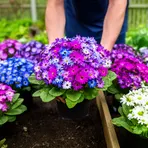
Plants that people grow for their bright, colorful flowers
Surface Forms
Morphology
florist's + cineraria
The phrase is compositionally transparent: 'cineraria' is a type of ornamental plant and 'florist's' indicates association (belonging to or sold by a florist). A B1 learner who knows both constituents would readily infer it refers to a florist-associated cineraria (an ornamental plant), since possessive/attributive relations are a common, predictable pattern.
Etymology
Florist's cineraria got its name from two simple ideas: cineraria comes from an old word for 'ash' because some related plants have grey, ash-coloured leaves, and florist's shows it was often grown and sold by flower sellers. So the name points to the bright, garden plant people buy and display in shops and homes.

