
Occident


 1
9.8
1
9.8
- noun
- /ˈɑksɪdənt/
- Archaic
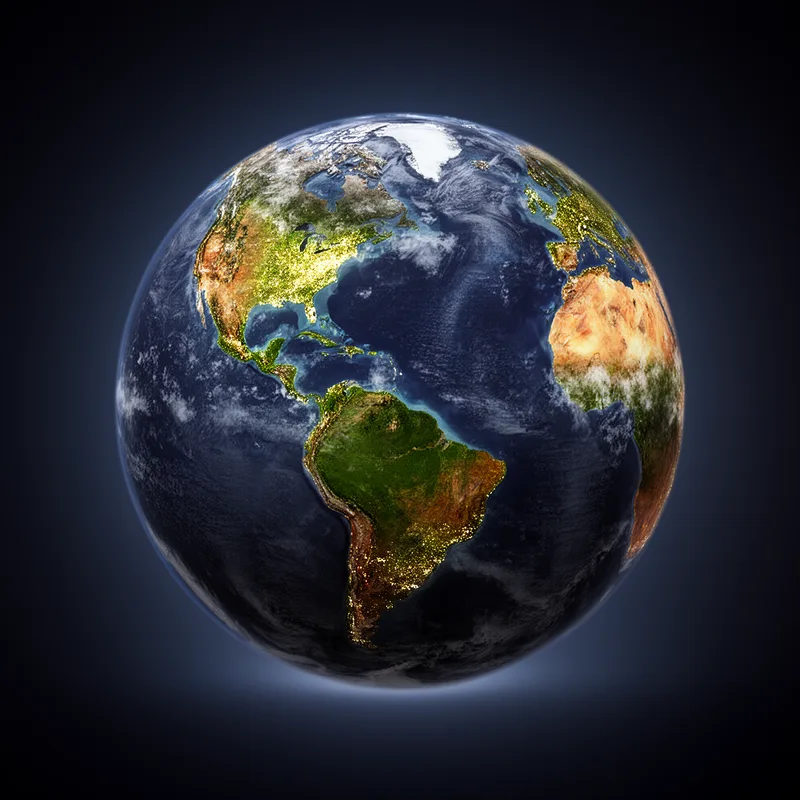
- The Occident includes countries like the United States and Canada.
- Occident and Orient
Examples
-
For Peur en Occident, I pored over chronicles of the plague, works on demonology, stories of sea voyages, and folklore.
Academic text (2010) -
His book Bushido is still read in the Occident by those in search of traditional Japanese values.
Academic text (1995) -
For Buck, the Occident was immersed in the stream of history, but not the Orient.
Academic text (2003) -
Carrier's effort to dereify the Occident is in part inspired by Mauss (1967).
Academic text (1996) -
For a discussion of the relationship between the Orient and Occident as one of power, domination, and varying degrees of hegemony, see E. Said, Orientalism, New York, 1978, 5.
Academic text (1992) -
For Southeastern Europe, with its centuries-old quarrels, rivalries, revolutions, and wars, is also a strategic passage between Orient and Occident.
Academic text (1995) -
They also published such periodicals as the semi-religious weekly Orient and Occident, which by the end of its second year in 1906 managed to attract several thousand readers, of whom over a thousand were claimed to be Muslims.
Academic text (2002) -
Many cultural exchanges have taken place between the Occident and the Orient throughout history.
-
Artists from the Occident often draw inspiration from Eastern philosophies and aesthetics.
Synonyms
 515
2.4
515
2.4
Countries in Europe and the Americas that share similar political and cultural values
 28
3.4
28
3.4
Countries in Europe, North America, and South America that have similar ways of life, governments, and economies

The western part of the world, especially Europe and the Americas
Surface Forms
Etymology
Occident comes from the Latin word occidens, which means 'sunset' and comes from the verb occidere, 'to fall'. So, Occident literally means the 'west' or the lands 'where the sun sets', and it later came to mean the western countries like Europe and the Americas.