

Moor
 1
8.6
1
8.6

- noun
- /mʊr/
- Archaic
- Historians often discuss the impact of the Moors on European art and science during the Middle Ages.
Loading YouTube…
Watch on YouTubeBecause they had reconquered Portugal from the Moors, they'd taken over all the Moorish estates.
- Because they had reconquered Portugal from the Moors, they'd taken over all the Moorish estates.
Examples
-
A moor from Morocco embarked in a raft.
Academic text (1998) -
It was a dark and stormy afternoon on the high moors of Northumberland.
Fiction book (2001) -
So why, why is the burning of the Moors such a, a bad thing?
-
And Langston Hills was really struck by the presence of the Moors in the Spanish Civil War.
-
The city of Granada has just been reclaimed from the moors after several years of siege.
Fiction book (1992) -
They're Arabs and Moors, he says, sort of using these interchangeably.
-
Because they had reconquered Portugal from the Moors, they'd taken over all the Moorish estates.
-
The Moors, known for their rich cultural heritage, significantly influenced the architecture of southern Spain.
-
As the Moors advanced into the Iberian Peninsula, they brought with them advancements in agriculture and mathematics.
Synonyms
 621
1.1
621
1.1
A person who follows Islam
 4
9.9
4
9.9
A Muslim or Arab person Europeans called that in the Middle Ages

People in North Africa whose families come from both Berber and Arab groups
Compounds
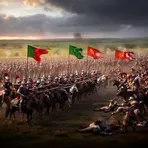
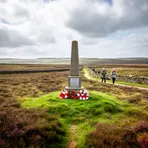
A major battle in 1644 during the English Civil War where Parliament's army defeated the king's supporters


Surface Forms
Etymology
Moor comes from the name for people from the North African area around modern Morocco, and in old use it simply meant 'a person from that region.' That's why in history 'Moors' refers to the Muslim people from North Africa who conquered parts of Spain.