
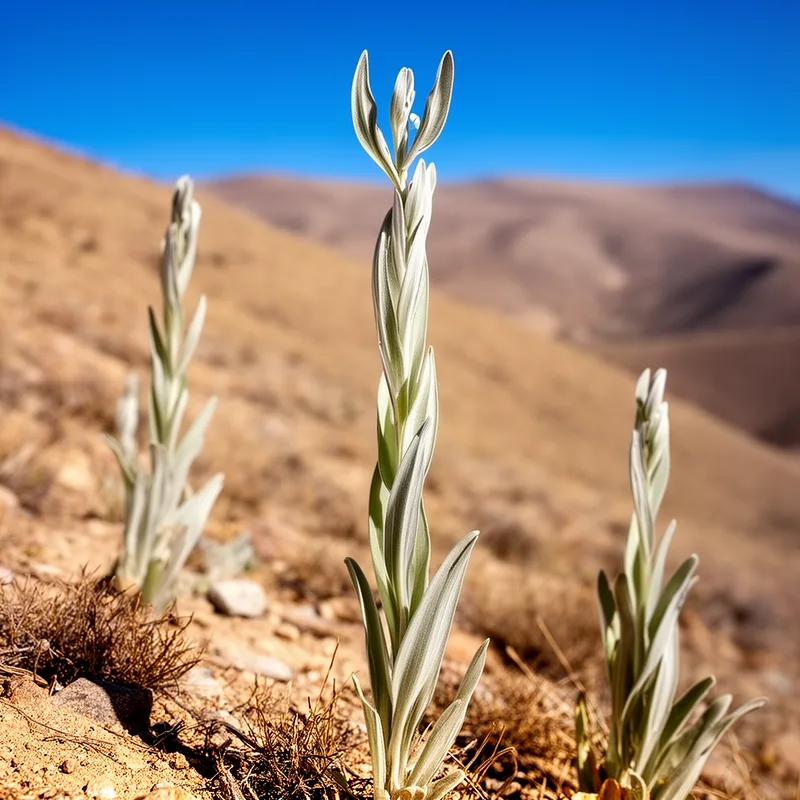
deer's-ears
- noun
- Specialized
- We identified the herb by its tall stem and the distinctive shape of its deer's-ears leaves.
Examples
-
The slopes were covered in deer's-ears, their pale green leaves shining in the sun.
-
Botanists surveyed populations of deer's-ears in several Californian counties.
-
Look at those beautiful deer's-ears over there!
-
The deer's-ears thrive in the dry climate of the Rockies.
-
Botanists surveyed populations of deer's-ears in several Californian counties.
-
The slopes were covered in deer's-ears, their pale green leaves shining in the sun.
-
We identified the herb by its tall stem and the distinctive shape of its deer's-ears leaves.
Synonyms


 1
9.9
1
9.9
A tall plant that lives for many years and grows in dry high places of western North America

A tall flowering plant that grows on dry hills in the western United States

A tall plant that lives for many years and grows on dry hills in western North America
A tall plant that lives for many years and grows on dry hills in western North America
A tall plant with a stalk and pale green flowers that grows on dry sunny hills in western US
Surface Forms
Morphology
Etymology
Deer's-ears comes from a simple image: the plant's long, narrow leaves look like a deer's 'ears'. So the name helps you remember this tall herb by its ear-shaped leaves.