
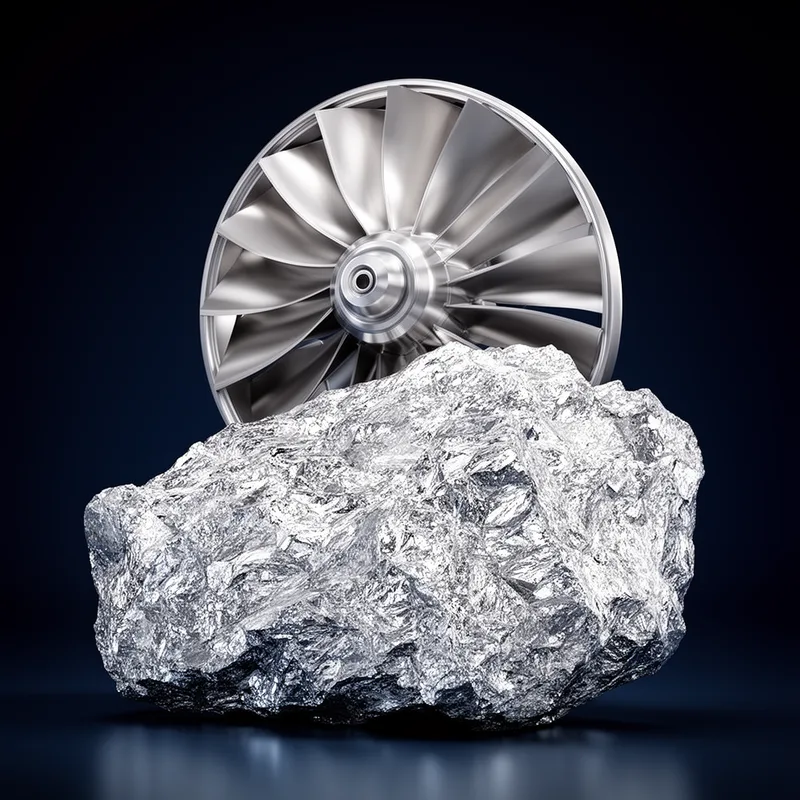
cobalt
 19
5.5
19
5.5

- noun
- /ˈkoʊbɔlt/
- Specialized
- The scientist studied the properties of cobalt to develop better battery materials.
- cobalt alloy
- cobalt blue
- cobalt ion
Loading YouTube…
Watch on YouTubeAnd imagine then there's no lithium, there's no cobalt, and it's carbon.
- And imagine then there's no lithium, there's no cobalt, and it's carbon.
- Look, it's the modern day blood diamond, lithium and cobalt, call it what it is.
- China also produces and refines over half of the world's lithium, cobalt, and graphite.
- And, you know, there's not enough lithium and cobalt in the world to make those kind of batteries.
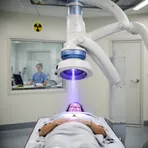
- Gamma Knife uses a cobalt source, multiple sources of cobalt.
Examples
-
China also produces and refines over half of the world's lithium, cobalt, and graphite.
-
The elements selected for detailed study included arsenic, antimony, cobalt, nickel, and silver.
Academic text (2018) -
Is the atomic weight of cobalt 58.9?
-
Magnets, of course, will pick up magnetic material, iron, cobalt and nickel.
-
It has copper, cobalt, uranium, gold, diamonds, You name it, Congo has it.
-
Cobalt is an essential element for several alloys that improve the strength of cobalt.
-
In some soils, cobalt acts as a trace nutrient crucial for plant growth.
Synonyms
 5
7.1
5
7.1
A hard silver-white metal that is magnetic and used in strong metal mixtures, batteries, and some vitamins
Compounds

- Specialized

 1
7.5
1
7.5
A radioactive metal that gives strong gamma rays used to treat cancer and sterilize equipment
- Specialized
A reddish mineral people use to make blue glass that is found in mine veins

Surface Forms
Etymology
Cobalt comes from the German word kobold, which means 'goblin'. Miners used this name for an ore that would not give them silver and that gave off bad fumes, so the name stayed with the metal we call cobalt today.