
Babesia
- proper noun
- Specialized
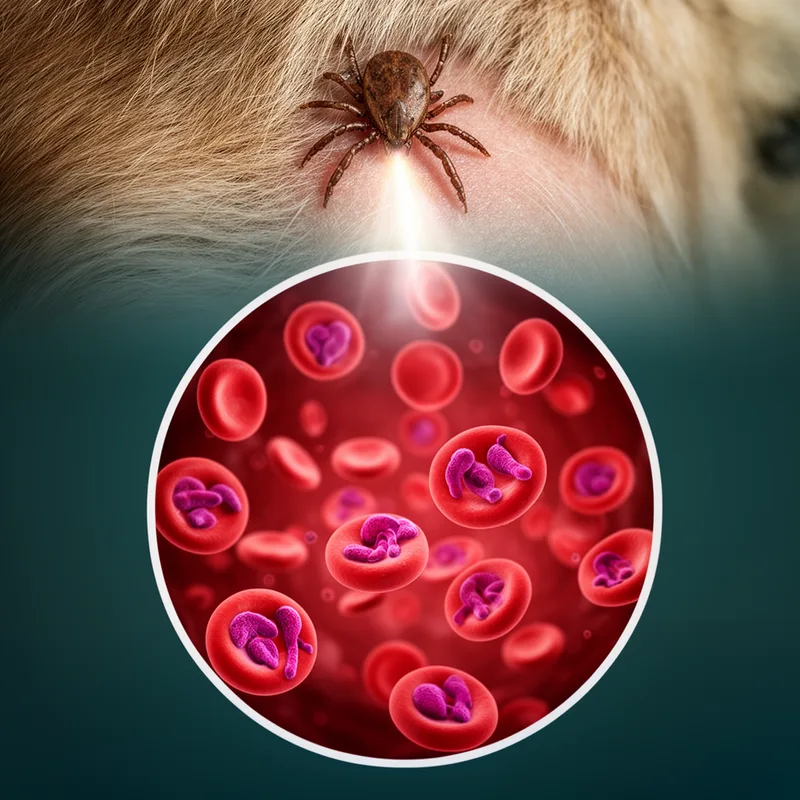
- Human babesiosis is an increasing health concern in the northeastern United States, where the causal agent, Babesia microti, is spread through the bite of infected Ixodes scapularis ticks.
- Babesia microti
- Babesia species
Examples
-
CDV, a disease that results in encephalitis and pneumonia, is transmitted by domestic dogs; babesiosis is carried by a tick-borne blood parasite called Babesia.
Academic text (2009) -
When the drought was over and rains fell, Babesia-carrying ticks flourished.
Academic text (2009) -
His newest project will look at the role of the spleen in fighting Babesia.
Academic text (1994) -
The rest of the time I am with my Anna, who has had a very rough year with a co-infection called Babesia Duncani.
Blog text (30) -
But Goff observed that the Babesia parasite seems to have outsmarted this part of an animal's defenses.
Academic text (1994) -
Human babesiosis, a serious disease caused by the Babesia parasite, is often transmitted through tick bites.
-
Researchers are studying how the Babesia parasite affects red blood cells in mammals.
-
In recent years, cases of Babesia infections have increased due to the rising tick population.
Synonyms
A tiny parasite that lives in red blood cells of farm animals and spreads by ticks
Surface Forms
Etymology
Babesia was given its name to honor the scientist Babeș and the ending -ia marks it as a group or type, meaning 'of Babeș'. That's why the tiny parasites that ticks pass to animals and people are called Babesia, and the illness is known as 'babesiosis'.

