
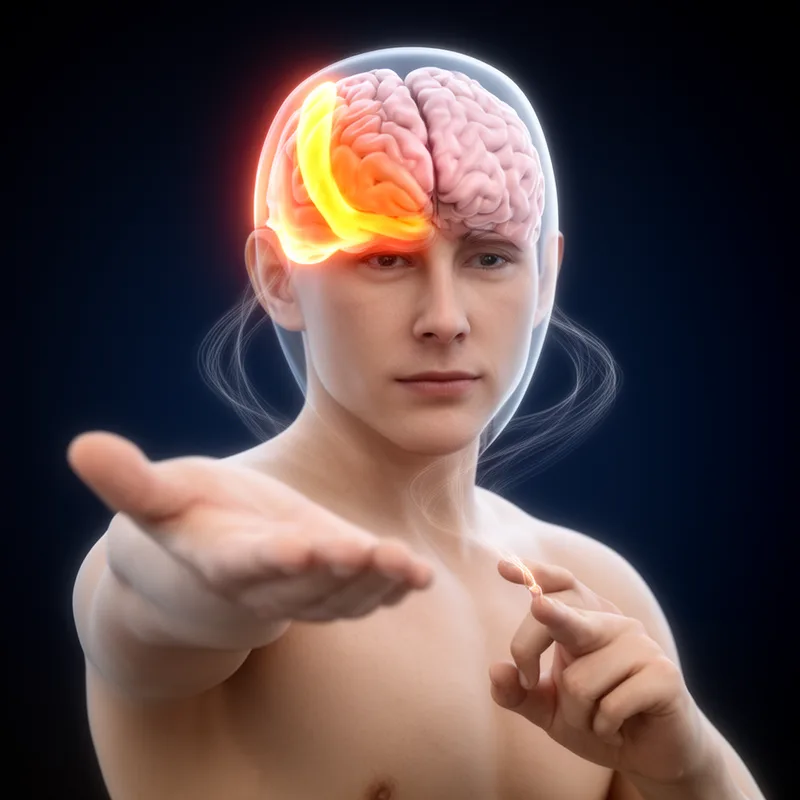
Rolando's area
- noun
- /roʊˈlændoʊz ˈɛəriə/
- Archaic
- The doctor explained the function of the Rolando's area in controlling voluntary muscle movements.
Examples
-
Damage to the Rolando's area can result in weakness or paralysis of certain muscles.
-
Damage to Rolando's area can lead to motor dysfunction.
-
Lesions found in the Rolando's area often lead to impaired voluntary movement.
-
Modern imaging techniques have helped scientists to better understand the function of the Rolando's area.
-
The doctor explained the function of Rolando's area in the brain.
-
Damage to the Rolando's area can result in weakness or paralysis of certain muscles.
-
Lesions found in the Rolando's area often lead to impaired voluntary movement.
Synonyms

 3
5.5
3
5.5

The part of the brain that plans and controls movements you make on purpose

 1
5.1
1
5.1
A part of the brain that controls movements you make on purpose

The part of the brain that controls body movement you choose to make
Surface Forms
Morphology
Rolando's + area
This is an eponymic anatomical term: knowing 'area' only signals a region but the proper name 'Rolando's' does not convey the specific function (motor cortex) to a B1 learner. The crucial functional meaning ('controls voluntary motor movements') cannot be derived from the constituents, so prior exposure or specialized knowledge is required.
Etymology
Rolando's area is named after an Italian doctor, Luigi Rolando, who noticed that this area of the brain makes our muscles move when we want them to. So the name points to the part of the brain that controls 'voluntary movement'.