

Albright's disease
- noun
- /ˈɔlbraɪts dɪˈziːz/
- Specialized
- The patient was diagnosed with Albright's disease after multiple bone deformities were found.
Examples
-
People with Albright's disease often experience recurrent fractures during childhood.
-
Researchers are studying new treatments for Albright's disease to improve bone strength.
-
She was diagnosed with Albright's disease last year.
-
His symptoms indicate Albright's disease.
-
Patients diagnosed with Albright's disease may suffer from deformities in their bones and frequent fractures as they grow.
-
Doctors recommend regular check-ups for children with Albright's disease due to their higher risk of bone injuries.
-
Treatment options for Albright's disease often include medication to help strengthen the bones and prevent fractures.
Synonyms
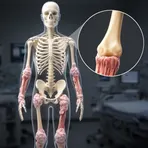
A bone condition that affects many bones and replaces bone with soft scar tissue
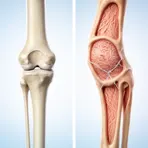
A bone condition where normal bone is replaced by soft tissue, making bones weak
Surface Forms
Morphology
Albright's + disease
The phrase is an eponym ('Albright's' is a proper name) combined with 'disease', so a learner who knows the constituents can infer it refers to a medical condition named after someone, but cannot derive the specific clinical features (fibrous dysplasia, bone deformities) from the parts. Because the proper name provides no semantic content about symptoms, the expression is only partially predictable from its constituents.
Etymology
Albright's disease is named after Dr. Fuller Albright, the doctor who first described a condition that affects and weakens the bones. That's why Albright's disease is used to mean a 'rare bone disorder' that can cause deformities and fractures.

